PANS
Pediatric Acute-onset Neuropsychiatric Syndrome describes the abrupt onset of OCD or severely restricted eating alongside other neuropsychiatric symptoms.
A mother’s guide
PANS/PANDAS can transform a child’s life—and an entire family’s—almost overnight. Naming it matters. Recognizing it matters. Treatment matters.

The short answer
PANS/PANDAS is a form of autoimmune encephalitis. A misdirected immune response causes inflammation in the brain and can trigger a sudden, dramatic change in a child’s neurological and psychiatric health.
Pediatric Acute-onset Neuropsychiatric Syndrome describes the abrupt onset of OCD or severely restricted eating alongside other neuropsychiatric symptoms.
Pediatric Autoimmune Neuropsychiatric Disorders Associated with Streptococcal Infections is a subtype of PANS connected to a strep infection.

Where we stand
We are not learning to accept an illness that has taken so much from Charlie. We are fighting to regain everything possible and build the better life we know she can have. We share our story because too many children still go unrecognized, undiagnosed and untreated.
she will be better somedayWhat families may see
Every child is different, but PANS/PANDAS is marked by symptoms that arrive abruptly and severely. To a family, it can feel as though the child they knew changed almost overnight.
Intrusive thoughts, rituals, contamination fears or sudden refusal of food.
Severe anxiety, panic attacks, irritability, depression or extreme separation fears.
Tics, unusual movements, handwriting changes or loss of motor skills.
Lost skills, younger behavior, concentration problems or a sudden drop in school performance.
Sleep disruption, frequent urination or sudden bedwetting.
New or extreme sensitivity to sound, light, texture, touch or pain.
Why recognition matters
Many families arrive at PANS/PANDAS after witnessing a frightening change and moving through schools, emergency rooms, specialists and insurance systems in search of answers. A lack of recognition can delay evaluation and treatment while the child and family are in crisis.
There is no single test that confirms every case. A complete evaluation looks at the onset and pattern of symptoms, investigates infections or triggers and rules out other causes. Care often requires collaboration across medical, neurological, immunological and mental-health disciplines.
had laws requiring insurance coverage for PANS/PANDAS treatment as of August 2026. Access still depends far too much on a family’s ZIP code.
See the current policy map ↗Read the sources
The science continues to move forward. These resources help explain how PANS/PANDAS was defined, how it is evaluated and what medicine is learning about its course and treatment.
An official explanation of symptoms, diagnosis, treatment and common questions about PANS and PANDAS.
Guidance for pediatricians on evaluating and caring for children with symptoms consistent with PANS.
Read the source ↗The study that described the original clinical characteristics of this pediatric subgroup.
Read the source ↗Recommendations from the PANS Consensus Conference for a complete medical and psychiatric evaluation.
Read the source ↗A randomized study of intravenous immunoglobulin that shows both the complexity of treatment and the need for continued research.
Read the source ↗A long-term follow-up offering insight into patient symptoms and outcomes over time.
Read the source ↗Search U.S. and international health care professionals involved in MAPS training programs, including clinicians listing PANS/PANDAS experience.
Search the directory ↗Find doctors, therapists and other clinicians who identify themselves as familiar with PANS/PANDAS.
Search the directory ↗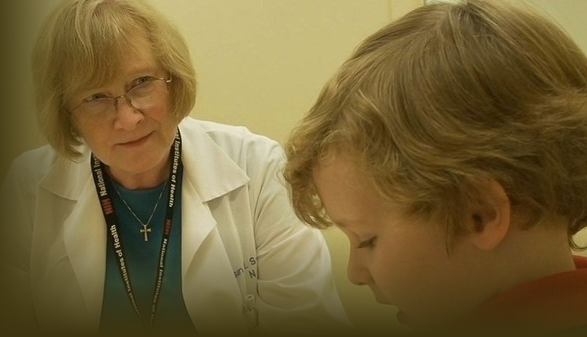
Watch the story
This documentary follows families fighting for answers, recognition and care for their children with PANDAS. For many parents, it gives words and images to an experience that has been dismissed for far too long.
Questions families ask
Straight answers to the questions parents, caregivers and newly involved professionals ask most often.
PANS (Pediatric Acute-onset Neuropsychiatric Syndrome) and PANDAS (Pediatric Autoimmune Neuropsychiatric Disorders Associated with Streptococcal Infections) are childhood conditions marked by an abrupt, severe onset of neuropsychiatric symptoms.
On this site, and in Charlie’s care, we describe PANS/PANDAS as a form of autoimmune encephalitis in which immune dysfunction and brain inflammation can drive dramatic changes in behavior, movement, mood, eating and function. The NIMH clinical overview explains the recognized diagnostic features.
PANS is the broader syndrome. Its abrupt symptoms may follow different infectious, inflammatory or immune triggers, and a specific trigger is not always identified.
PANDAS is the strep-associated subgroup. It describes the sudden onset or worsening of OCD or tics connected in time with a group A streptococcal infection. Every PANDAS case fits within the PANS framework, but not every PANS case is linked to strep.
The defining clue is a sudden, dramatic onset—often reaching full intensity within days—of OCD or severely restricted eating. Other abrupt symptoms can include extreme anxiety, emotional volatility, aggression, regression, tics or unusual movements, sensory changes, sleep disruption, frequent urination, handwriting changes and a sharp decline in school performance.
The pattern and speed of the change matter. Families often describe feeling as if they lost the child they knew almost overnight.
Care is individualized. It may include identifying and treating an active infection, addressing inflammation or immune dysfunction with an experienced specialist, and supporting psychiatric, behavioral, nutritional, sleep and school needs.
When strep is present, a clinician may prescribe antibiotics. Some children need anti-inflammatory or specialist-directed immune treatment, while therapy and carefully selected medications may help manage severe symptoms. Early recognition and coordinated care can matter.
Recovery is possible. Some children recover fully, particularly when triggers and inflammation are identified and treated. Others experience relapses or a longer course and require continued care.
No one can promise the outcome for an individual child, but PANS/PANDAS is not automatically a lifelong condition. Our family is fighting because we believe Charlie can recover and live a better life.
There is no single test that confirms PANS or PANDAS. Evaluation begins with the abrupt symptom history, timing of recent illness or exposure, and a complete medical, psychiatric and neurological examination.
Depending on the child’s presentation, a clinician may consider:
Elevated strep antibodies are a common clue in PANDAS evaluations, including strong or first recognized onsets, but they are not universal. A single high ASO or anti-DNase B result shows prior immune exposure to strep; it cannot by itself date the infection or diagnose PANDAS. The PANS Consensus Conference recommendations and the AAP clinical report explain the areas of agreement and continuing debate.
From one mom to another
Write down what changed, when it began and what infection, illness or event happened near that time. Keep records. Ask questions. Look for professionals willing to see the whole picture. The fight to recognize these children starts with believing their families.
Back to our story